
How to Get the Most Out of Your Brand Photoshoot
What to Do Before, During, and After — Whether We're in the Room or Not
A photoshoot is one of the biggest marketing investments your business will make. Done well, a single shoot can fuel 6–12 months of website content, social media, print materials, and advertising. Done without a plan, you end up with a beautiful batch of photos that don't quite fit your hero sections, don't tell the right story, and run out faster than you expected.
We coordinate photography for our clients regularly and over the years, we've developed a process that gets dramatically better results than showing up and winging it. If you're heading into a shoot on your own, here's how to approach it the way we do.
Step 1: Start with a Creative Brief
Before you book a photographer, before you scout a location, before you even start a Pinterest board—you need a creative brief.
A creative brief captures everything a successful shoot depends on: your brand personality, your target audience and what matters to them, the channels where these photos will live, and the specific shots you need. It gives your photographer a clear picture of who you are and what you're trying to communicate, and it gives you a decision-making filter when you're tempted to go off-script mid-shoot.
We've built a Photoshoot Creative Brief that walks you through all of it. Download our Photoshoot Creative Brief here. Fill it out as much as you can.
Step 2: Build Your Shot List
Once your brief is done, your shot list is next. This is your must-have list—the shots that need to happen no matter what. Think of it as insurance. Shoots move fast, and without a printed list in hand, it's easy to get caught up in one great setup and realize two hours in that you never captured your hero section image.
Not sure what shots you actually need? We wrote a full guide on exactly that: Branding Photography: The Complete Guide. It covers the seven photo types every business needs — team photos, product shots, detail shots, behind-the-scenes, location, headshots, and website-specific compositions — along with what we've learned from coordinating shoots across dozens of clients.
A few things to keep top of mind as you build your list:
Plan your website hero shots explicitly
Your homepage, your about page, your service pages—most of them need wide, short compositions (think 16:7 or 16:5 aspect ratio) with subject matter to one side and open background on the other for text overlay. These are the hardest shots to improvise and the most painful to be missing when your designer starts building your site.
Think about shelf life
Detail shots and over-the-shoulder or hands-only compositions outlast shots that feature specific team members' faces. When someone leaves your team, those photos can become unusable. Detail shots are evergreen.
Shoot for multiple channels
Your Instagram feed, your website, your email newsletters, and your print materials all need different dimensions and crops. Build variety into your list from the start.
Step 3: Do the Creative Direction Work
This is the step most people skip — and it's where a huge amount of value gets left on the table.
Creative direction means deciding, in advance, what this shoot should look and feel like. It's the difference between photos that feel like stock imagery and photos that feel unmistakably like your brand.
Here's how to do it yourself:
Build a Pinterest mood board
Gather 15–20 images that represent the vibe you're after — lighting style, color palette, composition style, the energy of the people. Share it with your photographer before the shoot. Photographers are visual communicators; showing them what you mean is infinitely more effective than trying to describe it.
Choose props intentionally
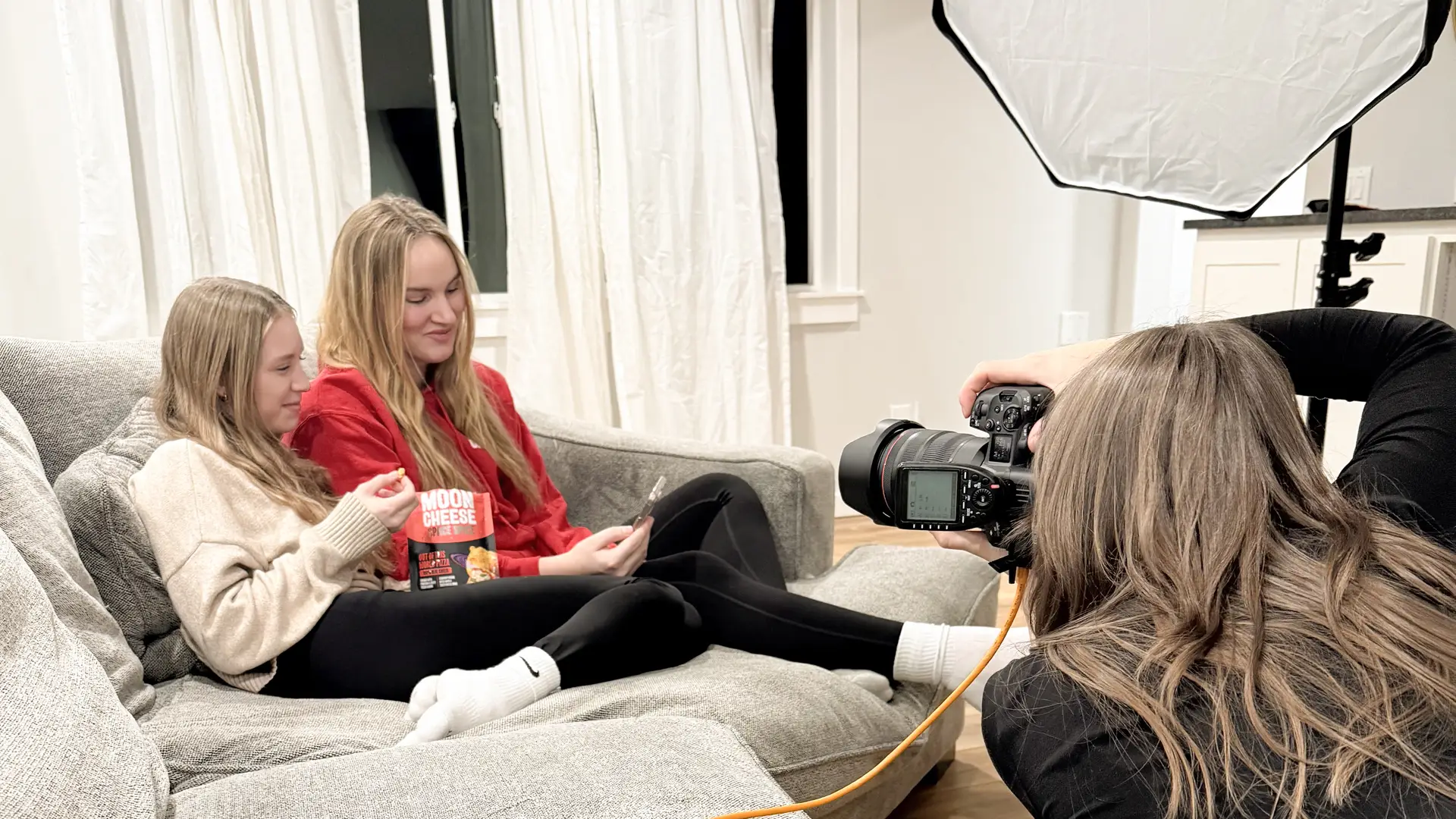
For small businesses and organizations, gring items in your brand colors—things like coffee mugs, notebooks, textiles, and flowers. Small branded props make your entire photo library feel cohesive without being heavy-handed. For a CPG photoshoot, your props will make all the difference! So don't skimp on the props/ingredients that will tell your product's story the best.
Think about wardrobe
Colors in your photos affect how they work in your marketing. Outfits don't need to match your exact brand colors, but they should harmonize with them. Solid colors generally photograph better than busy patterns. And if your brand is bold and energetic, that should show up in what people wear.
Brief your team
If you have people being photographed, give them ample notice of the upcoming photoshoot and let them know how they'll be involved. Be ready to answer lots of questions about what they should wear!
Step 4: Handle the Logistics
Great creative direction won't save a disorganized shoot day. Here's what to nail down in advance:
Location
Where are you shooting, and does it match your brand? Scout it before the day—look at the light at different times of day, identify any background distractions, and confirm you have access.
Photographer
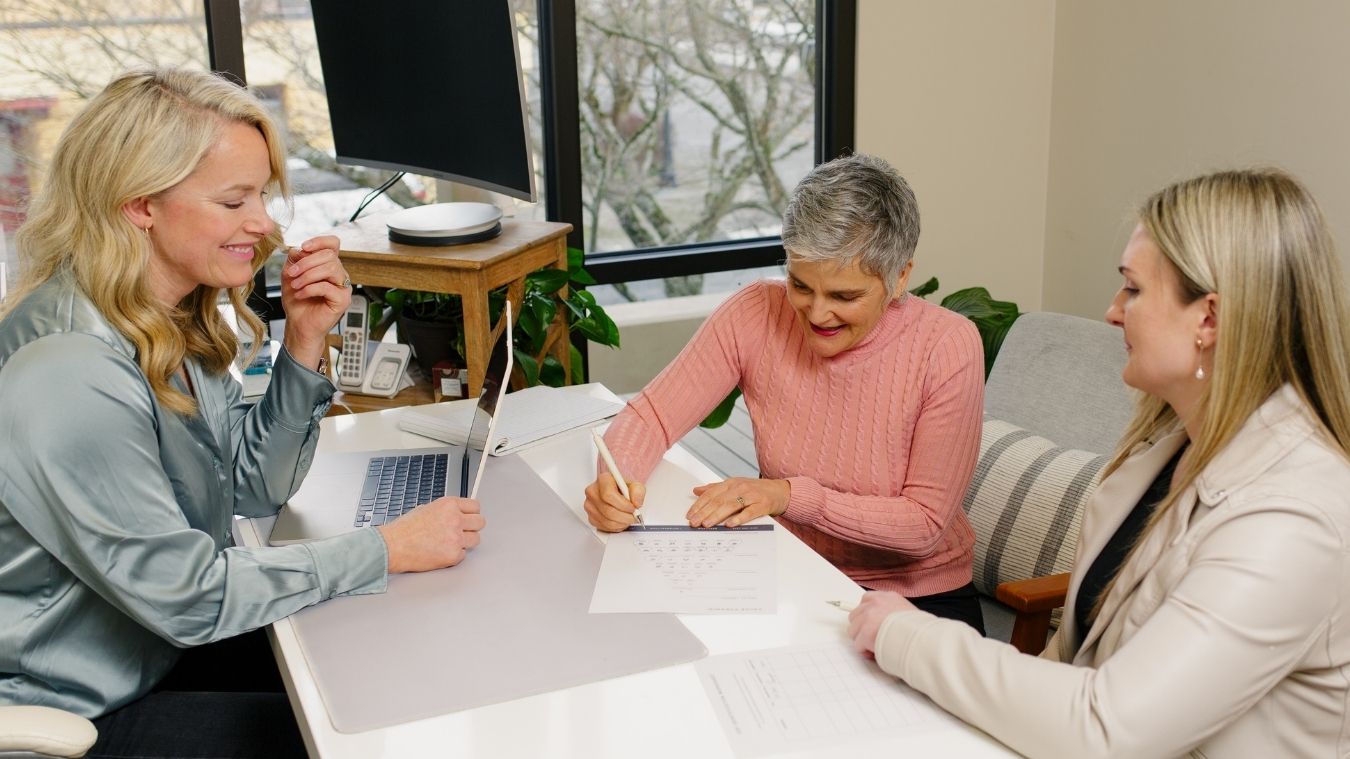
Share your brief and mood board with them well before the shoot, not the morning of. Give them time to prepare and ask questions. Ideally, meet with them several weeks in advance and get their creative input in the early stages of planning!
Props and supplies
Write out what you need and who's responsible for bringing what. For food product shoots especially: bring way more product than you think you'll need. You'll use it.
Talent
If you need models, whether for lifestyle shots or to represent your target customer, give yourself time to source and confirm them. Scrambling for talent the week before is a recipe for compromise. And don't forget to get each model to sign a waiver giving you rights to use them in your photos!
Step 5: Show Up Prepared on Shoot Day
Print your shot list. Not a note on your phone — a printed sheet you can cross off as you go. When you're in the middle of a shoot and the energy is high, digital lists get forgotten.
If you're shooting products, ask your photographer to shoot tethered so you can see images in real time on a laptop screen. This lets you catch focus issues, lighting problems, or composition misses before you've moved on to the next setup.
Step 6: Curate Thoughtfully
After your shoot, your photographer may deliver a large batch of photos. Going through these takes longer than most people expect and matters more than most people realize.
You're not just looking for photos that are technically good. You're looking for photos that work in context, that fit your homepage hero section, that feel right in your Instagram grid, and that tell the right story about your brand. That requires thinking through how each image will actually be used.
Pull your must-haves first (the shots on your list), then identify the surprises (the candid moments that turned out better than anything you planned), then fill in the rest by channel and use case.
Let Us Handle It
If this process sounds like a lot — it is. This is exactly what we do for our clients, and the difference between a coordinated shoot and an uncoordinated one shows up immediately when it's time to build your website or launch a campaign.
We offer photoshoot coordination at our hourly rate, and we can step in for as much or as little as you need:
- Creative Brief development
- Mood Board and Creative Direction
- Scheduling — locations, photographer, and talent
- Shot List development
- Prop sourcing
- Talent sourcing and coordination
- On-site support the day of the shoot
- Photo selection — culling the best images from your full delivery batch
Whether you want us to run the whole thing or just bring some structure to the parts that feel overwhelming, we're here for it.
Contact us to talk through your next photoshoot →