
Marketing Trends 2026
What We Learned in 2025 (And What We're Watching in 2026)
Another year of radical change right alongside enduring truths. Another year of learning what actually works—and what just makes noise. Here's our honest look back at 2025 and where we think things are headed.
Our 2025 Takeaways
What Seems Surprising but Isn’t
Across social, advertising, and content marketing, lo-fi, imperfect creative consistently outperformed high-production or performatively authentic approaches. According to Motion's Creative Trends analysis, 42% of top-spending ads now use unpolished aesthetics that mirror user-generated content. Because people connect with it more easily.
This tracks with something bigger: People are tired of being marketed at. They want to be communicated with. That distinction matters more than any production value.
The most polished work didn't win. And truly, it's been a long time since it has.
Imperfection is truth. Consider Andrea del Sarto, the Renaissance painter known as "senza errori"—without errors. His contemporaries called him "the faultless painter." His technique was flawless, his compositions perfectly balanced, his execution immaculate. And yet, his work was eclipsed by Michelangelo, Raphael, and Leonardo—artists whose paintings carried what one critic described as "a certain soul that other artists manage to capture with inexact renderings and rougher brushstrokes." Del Sarto's perfection, it turned out, was precisely what made his work feel empty.
Or think about what happens when an orchestral recording is digitally altered to place every note in mathematically perfect time. The result sounds sterile, mechanical—less human. The micro-variations, the slight imperfections in timing and tone that come from real people playing together in real space—those "flaws" are what make music breathe.
This isn't nostalgia. We're wired to respond to authenticity, to evidence of human effort and presence. And in 2025, the best creative embodied the truth inherent in imperfection.
What Delighted Us
The return of texture and tactility—not just in design, but as a philosophy. Adobe's 2026 Creative Trends Report captured it well: "In a world full of deepfakes, doomscrolling, and digital exhaustion, Gen Z is craving what's real."
Interior design is leading this charge in ways marketing should pay attention to. Designers are embracing what Johanna Constantinou of Tapi Carpets & Floors calls "texture as the new luxury"—combining velvet, wool, rattan, and linen to create spaces that feel lived-in rather than staged. House Beautiful reports that natural, textural layering will define spaces in 2026, with "rich wood grains, woven fibers, and tactile wall finishes" creating multisensory experiences.
There's a lesson here for brand work: your audience doesn't just see your marketing—they feel it. The brands that understood this in 2025 created work with warmth, dimension, and depth. The brands that didn't looked flat, regardless of how slick their production was.
What We're Watching in 2026
Craftsmanship > Perfection
Craftsmanship is the differentiator. Not perfection—craftsmanship. There's a meaningful distinction. Perfection is about eliminating flaws. Craftsmanship is about investing care. Audiences can tell the difference, even if they can't articulate it.
In marketing creative, the application is clear: invest the time to understand what you're making, why you’re making it, and who you're making it for. Don't grip the sale so tightly. Mean something.
Which segues perfectly to…
The Growing Cost of "Good Enough"
Let's talk about the elephant in the room. Merriam-Webster named "slop" their 2025 word of the year, defining it as "low-quality content produced in quantity by artificial intelligence." According to Meltwater's analysis, mentions of "AI slop" increased ninefold in 2025, with negative sentiment hitting 54% by October.
Here's the uncomfortable truth: AI tools can be genuinely useful. We use them in appropriate ways. Most agencies do, whether they admit it or not. But there's a canyon between using AI as a tool and using it as a replacement for thinking.
AI doesn’t have taste. It doesn’t think in the way we humans do, it averages out millions of data points and spits out….well, something average. What makes a design compelling is that it stands out from the monotony of the thousands of brands you are inundated with every day. AI doesn’t understand the difference between good and bad design, and because of that, the work it outputs is nonsensical at worst and forgettable at best.
CNN Business predicts 2026 will be "the year of 100% human marketing," with brands like iHeartMedia already promoting human-made creative as a differentiator. Pinterest and YouTube have introduced features allowing users to limit AI-generated content in their feeds. Now, it’s more important than ever to lean into human-made design, design that is clear, memorable, thoughtful and impactful.
And when it comes to customer experience, Nordstrom’s senior director of customer care Heather Bissell describes the retailer’s “biggest thing” as human connection, with emphasis on face‑to‑face, eye‑to‑eye, voice‑to‑voice interactions across store, phone, chat, email, and social, and explicitly contrasts that with fully automated service.
The temptation is real. We hear it all the time. "I'll just ask AI to do my marketing" sounds efficient. But efficiency without strategy is just organized noise. What you get out of AI depends entirely on the skill, judgment, and taste of the person wielding the tool. Bombard your audience with trendy-but-meaningless slop because you can, and you'll break whatever trust you've earned—probably faster than you built it.
Design Ins & Outs
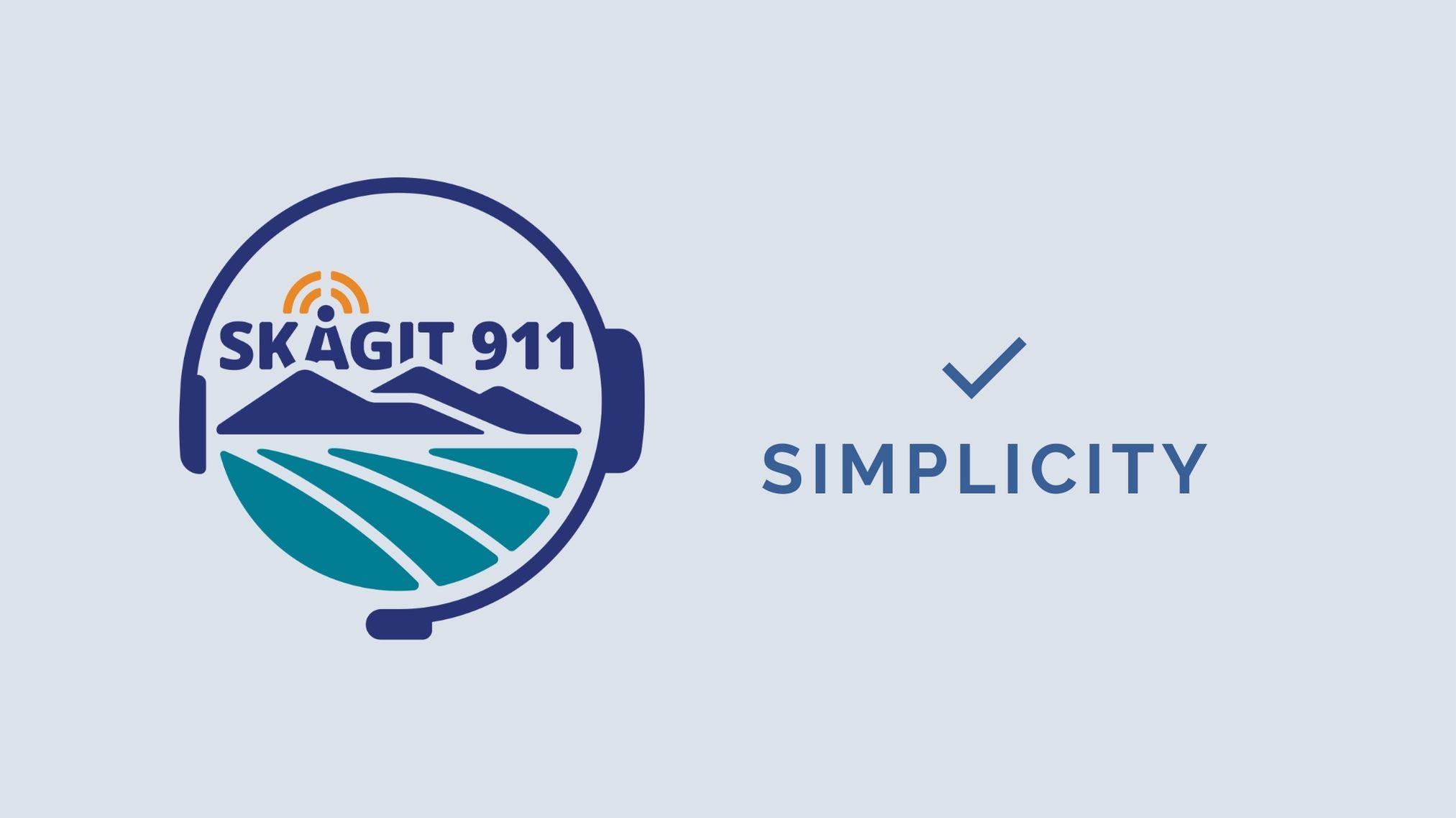
In: Simplicity Over Complexity
We are surrounded by stimulus all the time, on our phones and in our streets. This leaves us with little mental bandwidth for brand recognition. In this hyper-saturated landscape, design functions best when it is reduced to its most iconic components. That doesn’t mean complete abstraction, but rather a reduction of information, down to what’s most memorable and compelling. Too many elements and meaning get lost in the noise.
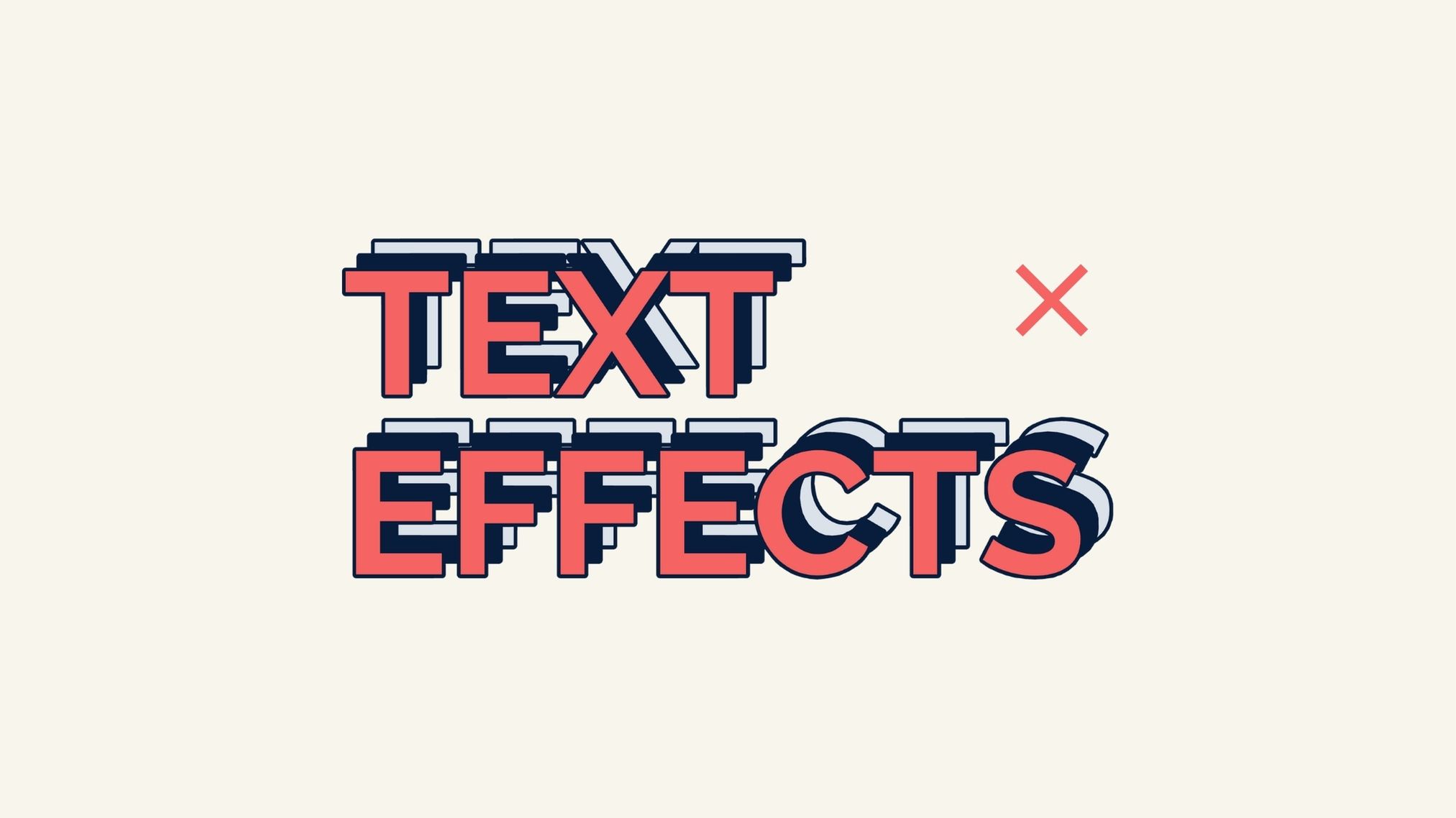
Out: Text Effects
The easiest way to make your design feel dated is to over-decorate it with text effects. Offset outlined strokes, Y2K-Style 3D text contours, they are distracting and diluting. Instead of trying to decorate something bland, focus on the type itself. How can you manipulate the letterforms or customize an already-interesting typeface to stylistically differentiate a project from those overly flashy cheap tricks. And please, no drop shadows!

In: Tone on Tone
Taking inspiration from a related field: interior designers are embracing "tonal decorating"—layering varying strengths of the same color across a room to create cohesion without monotony. We are seeing this effect in graphic design, as well. Of course, there is a specific time and place for this treatment; you wouldn’t want to be abandoning accessibility guidelines for the sake of style. That being said, embracing the subtlety of tone-on-tone icons or display text can breathe an air of sophistication into your brand, while giving the rest of your composition more room to shine.
Really Knowing Your Audience
There's a seductive trap in marketing right now: the assumption that if you're not on TikTok, speaking in Gen Z slang, and chasing whatever aesthetic is trending this week, you're well, so cringe.
But here's what the data actually says: Gen X has been leading consumer spending globally since 2021 and research predicts that dominance will last through 2033. Meanwhile, Gen Z slashed their holiday spending by 23% this year.
If your product is really for people in their mid-40s to 60s—people with established careers, home equity, and actual disposable income—chasing TikTok trends isn't just ineffective. It's actively working against you.
Gen X doesn't live on TikTok, even though they probably have an account. Pew Research data shows they spend their time on YouTube and Facebook. They still read magazines – though maybe on the app. These aren't people waiting for you to decode the latest micro-trend—they're people who respond to substance, relevance, and respect for their intelligence.
This doesn't mean ignoring younger audiences if they're genuinely part of your market. But it does mean being honest about who you're actually trying to reach—and meeting them where they are, not where the marketing blogs say everyone should be.

Start the Year Off Right
Before you forge ahead into Q1, have a real conversation with an actual customer. Not a survey. Not a focus group. A real, human, back-and-forth conversation.
Ask them what they're dealing with right now. What's keeping them up at night. What made them choose you—or almost not choose you. Then listen. Really listen.
Here's why this matters more than it might seem: most of us aren't our own customers.
- We know too much.
- We care about things our audience doesn't care about.
- We use language they'd never use.
- And the longer we spend inside our own companies, the worse this gets.
- We start making things that make sense to us—and wonder why they don't land.
One honest conversation can recalibrate everything. It won't give you a campaign. But it will give you something better: a real person's voice in your head when you're making decisions. That's the difference between marketing that talks at people and marketing that actually connects.
The Bottom Line for Marketing Trends for 2026
2025 reminded us that audiences are smarter than we sometimes give them credit for. They can tell when something was made with care versus when it was just... made to try to sell you something. They're drawn to specificity, texture, and point of view. They're increasingly skeptical of anything that feels generic, even if—especially if—it's technically well-executed.
In 2026, we think the brands that win will be the ones that slow down enough to actually say something. That use tools (including AI) in service of ideas rather than as substitutes for them. That treat their audiences as people worth communicating with, not demographics to be targeted—especially Gen-Xers.
That's the work worth doing. That's what we're here for.
Sources & Further Reading
Customer Experience Dive: In an AI world, Nordstrom is leaning into human care
Food Navigator: Top 2026 marketing challenge for CPGs: Balancing algorithms and authenticity
Adobe Blog: The Four Creative Trends That Will Define Marketing in 2026
Motion: 2025 Ad Creative & Creative Strategy Trends
Elle: These Were 2025's Biggest Fashion Trends
Who What Wear: The 2025 Luxury Report
CNN Business: Why 2026 Could Be the Year of Anti-AI Marketing
Euronews: 2025 Was the Year AI Slop Went Mainstream
Meltwater: What the Rise of AI Slop Means for Marketers
House Beautiful: Design Trends From 2025 You'll Still See in 2026
Elle Decor: Interior Design Trends That Will Define 2026
Content Marketing Institute: 42 Experts Reveal Top Content Marketing Trends for 2026
ArtViva: Andrea del Sarto – "The Faultless Painter" in Florence
PwC: Holiday Outlook 2025
New York Times: Gen X-ers Have Money to Spend. Why Are Retailers Ignoring Them?
PYMNTS Intelligence - "The Gen X Factor in This Year's Holiday Shopping Equation"
YouGov - "Holiday shopping 2025: What Americans buy, spend, and value at Christmas"