Branding Photography: The Complete Guide
7 Photo Types Your Business Actually Needs
Whether you're building a website, creating social media content, or designing print materials for your business, having strategic branding photography is non-negotiable. After years of building websites, managing photoshoots, and creating marketing campaigns for our clients, we've learned exactly which photo types you'll actually use—and which ones you'll wish you'd captured.
Here's what every business needs in their photo library.
1. Team Photos & Your Team-in-Action
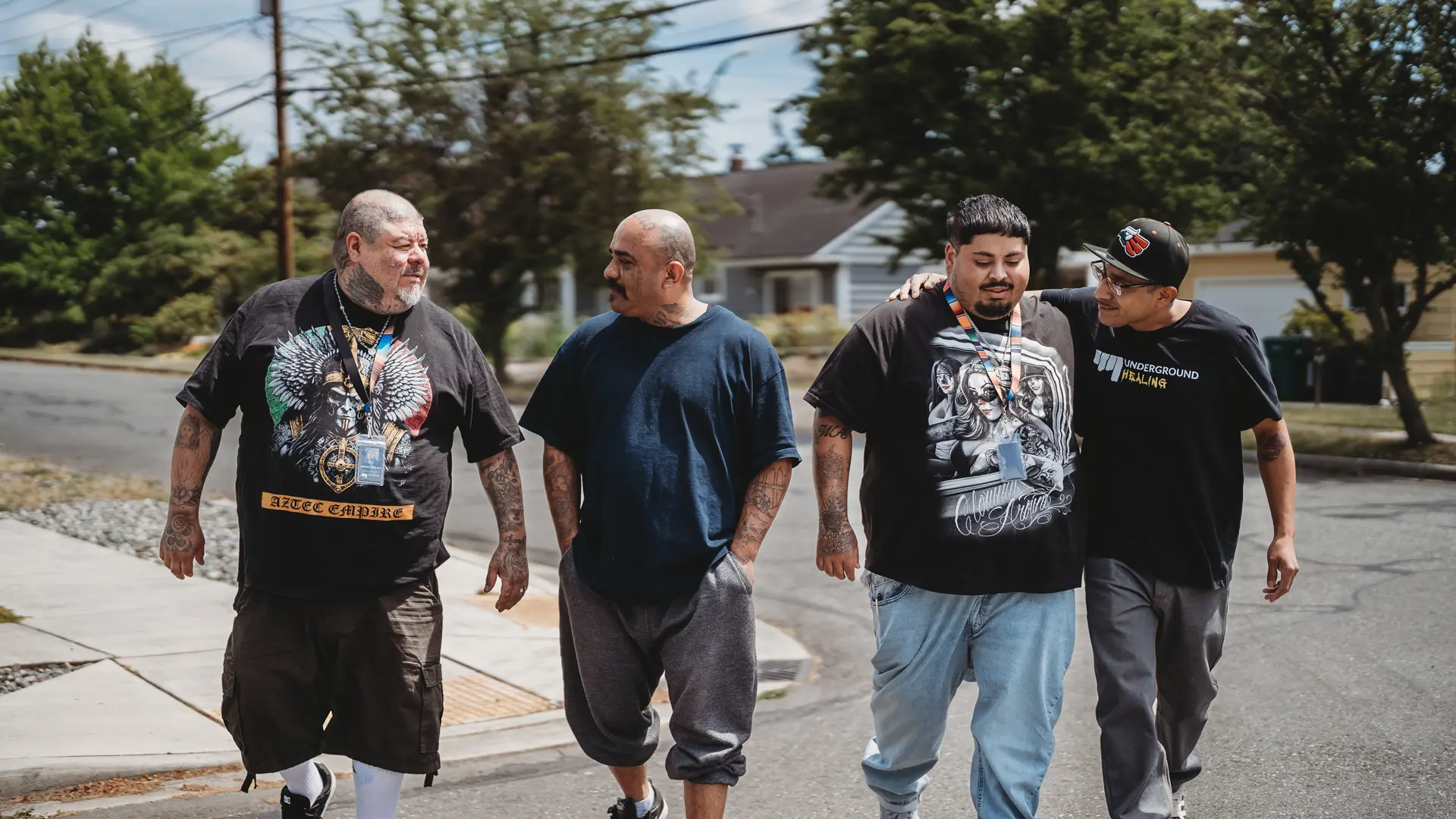
For a service-based organization, action shots of your team working—both in your primary workspace and out in the field with customers are your most useful photo type. These capture your team collaborating, problem-solving, delivering services, and doing the work that makes your business run. After building hundreds of websites and marketing materials, we can tell you with certainty: team photos are the most-used photo type across every marketing channel.
Why they matter:
People connect with people. Faces trigger an emotional response that products and spaces simply can't match. When potential customers see your team actually working—collaborating in a meeting, mid-conversation with a client, focused on delivering a service—they begin building trust before they ever walk through your door or pick up the phone.
Internal team shots show your workspace culture: the design team gathered around a laptop, the production crew solving a problem together, two colleagues deep in conversation. These moments tell customers "we're real people who do this work every day."
Photos of your team-in-action with customers answer the question "What's it actually like to work with this company?" without requiring a single word of explanation. These shots often happen on-site where services are delivered—job sites, client locations, event venues—anywhere your work takes you beyond your primary office.
What we've learned:
Forget posed group shots where everyone stares at the camera. Let people work naturally—the photos will sell themselves. The secret to great action shots is making everyone forget the camera exists. Once your team and customers relax into their normal rhythm, that's when magic happens. Real interactions, genuine smiles, actual expertise on display—you can't fake that energy, and customers recognize authenticity immediately.
2. Product Photos
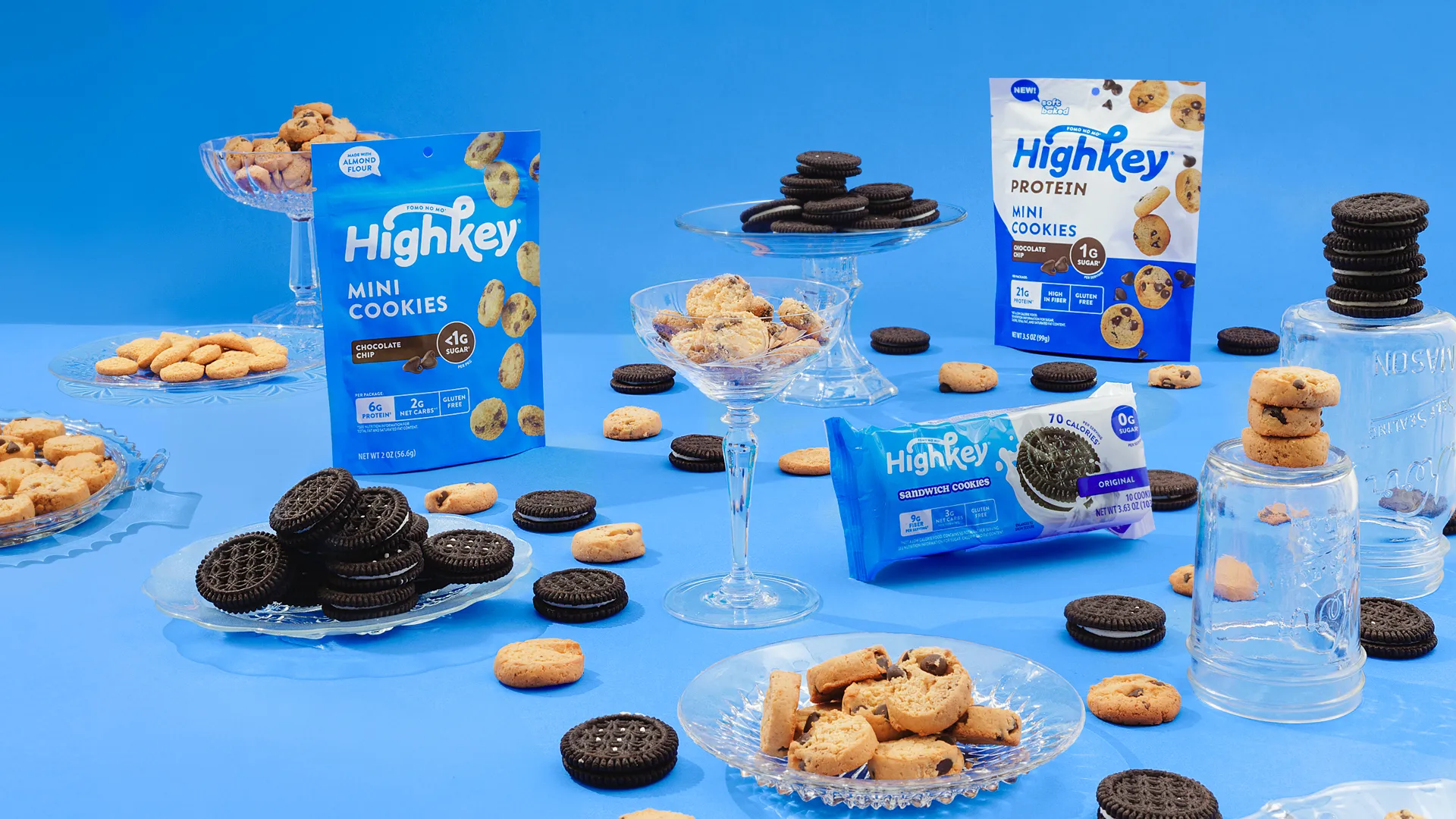
Your best bet with product photos is to have a several different styles of shots for each product you carry. This includes:
- Individual product on a clean background
- Individual product on a stylized background (think ingredients placed artistically around the main product)
- Lifestyle shots of your product in use
Why they matter:
These are your ecommerce essentials, your catalog stars, and your social media heroes. Great product photography is non-negotiable for CPG brands and retailers.
What we've learned:
Product photography is where technical details make or break your results. Here's what we've learned from countless shoots:
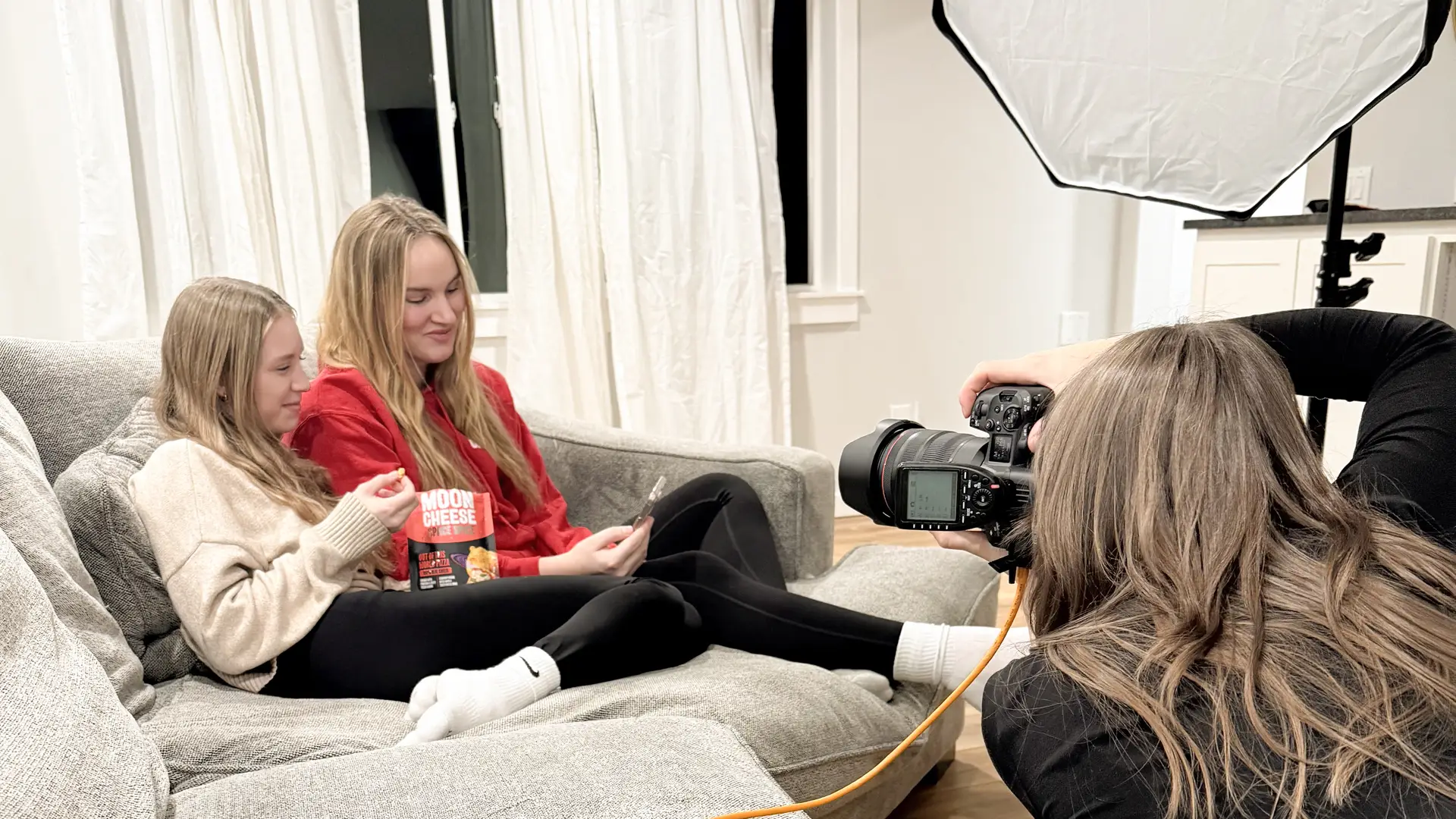
Focus is key. When your photographer shoots tethered, you can see which part of the photo is the sharpest. Make sure that's what you want in focus. The product must be razor-sharp. It's easy to nail the styling and composition but miss that the camera focused on the background prop instead of your product label.
Lighting sets everything. Hard shadows versus soft diffused lighting completely changes the mood and style of your product shots. Hard light creates drama and edge—perfect for bold, energetic brands. Soft, diffused lighting feels clean and approachable—ideal for wellness, food, or premium products. Choose intentionally based on your brand personality, then stay consistent across your entire product line.
Protect your packaging like gold. Packaging is precious. Keep it in a safe place where it won't get wrinkled, crushed, or damaged. A single crease on a bag or a dented box corner can ruin an entire setup. We've learned to bring backup packaging to every shoot.
Handle products with care. Products need to be kept carefully so they aren't broken, crumbly, or damaged. This seems obvious, but when you're styling multiple setups, it's easy to get careless. One broken cookie, one chipped edge, one smudged label—and you're scrambling.
Bring way more product than you think you'll need. You'll need it. Seriously. We've found that having a big bag of product straight from the manufacturing plant is incredibly helpful—you won't have to open eight retail packages to get the volume you need for the shot. This is especially critical for food photography where you're building height, showing abundance, or photographing the same product multiple ways.
Cast the right energy. If you're using friends and family as models, choose people who naturally embody the personality you want to convey. If your brand is fun and bright, choose a model who is genuinely bubbly and smiley. If your brand is calm and sophisticated, choose someone who naturally carries that energy. You can't fake authentic personality in photos—it always reads as forced.
Food styling essentials. For food photography, having a large variety of cloth napkins in different colors and patterns comes in more handy than you'd think. They add texture, tie in brand colors, and solve composition problems on the fly.
Always shoot with and without packaging. Take the photo with your packaging, then remove packaging from your scene and adjust the props as needed. You'll use both versions across different marketing channels.
3. Detail Shots
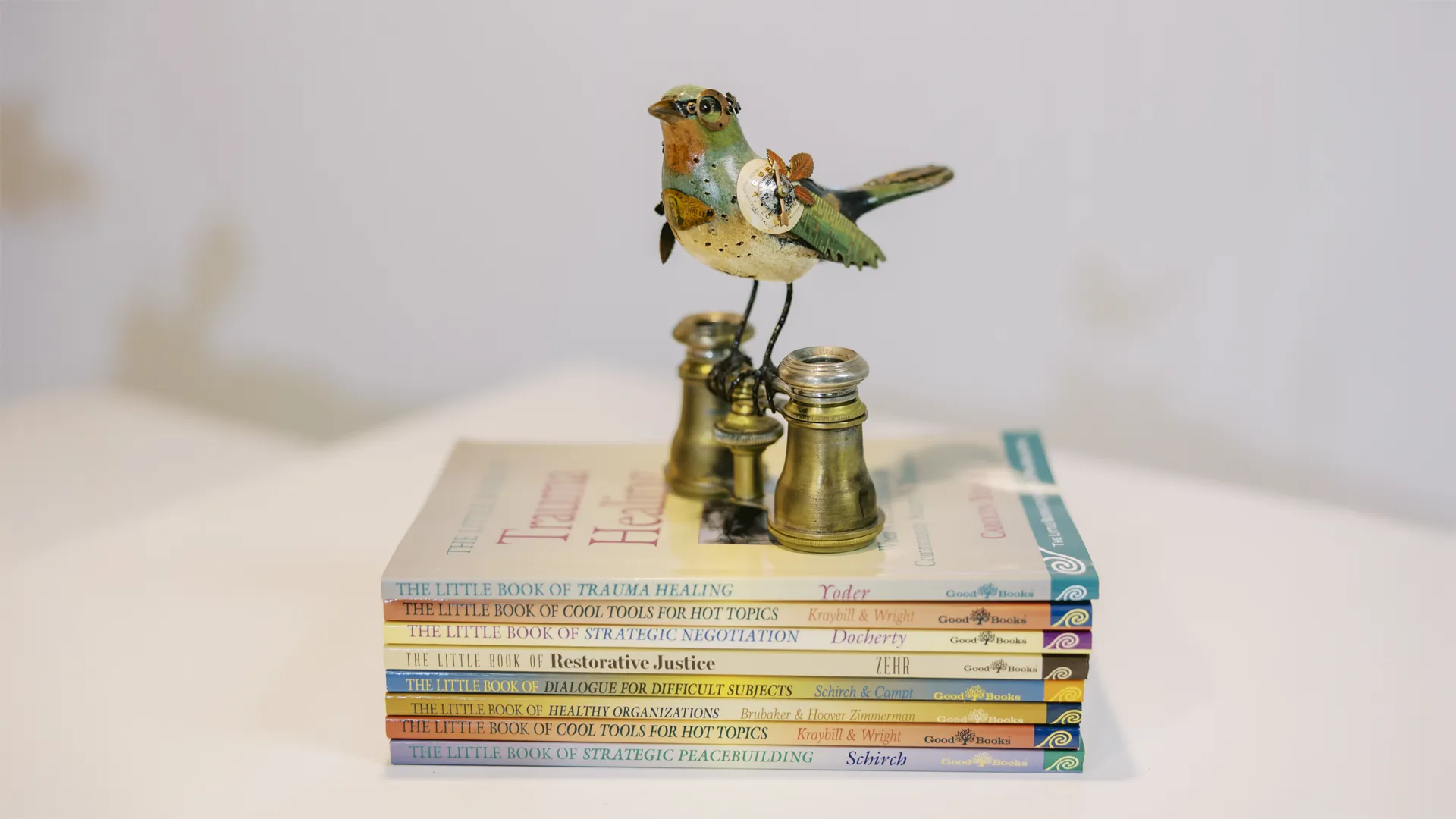
These might not be the first thing you think about, but after years of designing marketing materials, we reach for detail shots constantly. Think: a close-up of an accountant's hands on a 10-key calculator, scissors and combs arranged on a salon shelf, a stack of books that shaped your founder's philosophy, a candle flickering on an elegant table in the lobby.
Why they matter:
Detail shots add visual variety and tell micro-stories. When you're designing a website and need to break up text blocks or fill a grid on social media, these shots are invaluable. They're also perfect for adding movement and interest to case studies and blog articles. Plus, when you focus close-up on hands or shoot over the shoulder of an employee, the photo has a longer shelf life. Even if that employee moves on, the photo is still useful to you because their face isn't the focus.
What we've learned:
Detail shots are where you can play with brand colors. Bring props in your brand palette—coffee mugs, notebooks, flowers. These small touches make your entire photo library feel cohesive without being overly branded. Detail shots save projects. When a client is short one image for a brochure layout or needs something for an Instagram story, these versatile shots fill the gap perfectly.
4. Behind-the-Scenes Shots
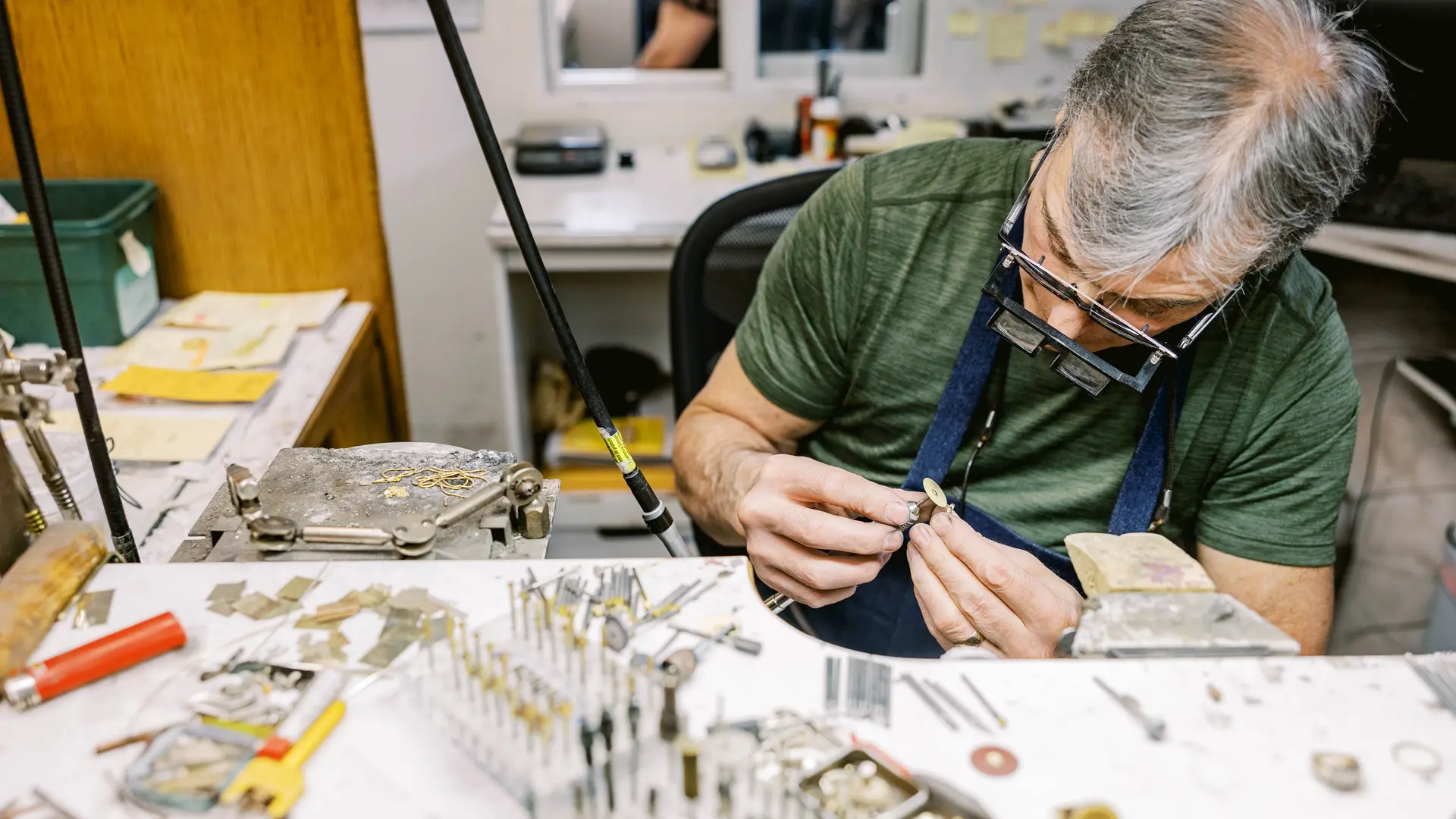
Whether you create products or provide services, there are things you do that your everyday customer doesn't get to see—product creation, packaging assembly, meeting prep, etc.
Why they matter:
What feels routine to you is fascinating to your customers. Behind the scenes content humanizes your brand and satisfies people's natural curiosity about how things are done. In an age where consumers care deeply about sourcing, process, and quality, showing your production builds trust and can justify premium pricing.
What we've learned:
Behind-the-scenes photography works best when it's truly candid. Set up the scene, give people a task, then step back. The photos where people are looking at the camera rarely make the final cut. The ones where they're absorbed in their work—mixing ingredients, inspecting quality, carefully packaging—those are the keepers. These photos perform exceptionally well on social media and add authenticity to your website. They're proof that real craftsmanship and real humans are behind your brand. You may be able to orchestrate some of this on photoshoot day, but if not, consider regulary capturing these moments with your phone.
5. Location Photos
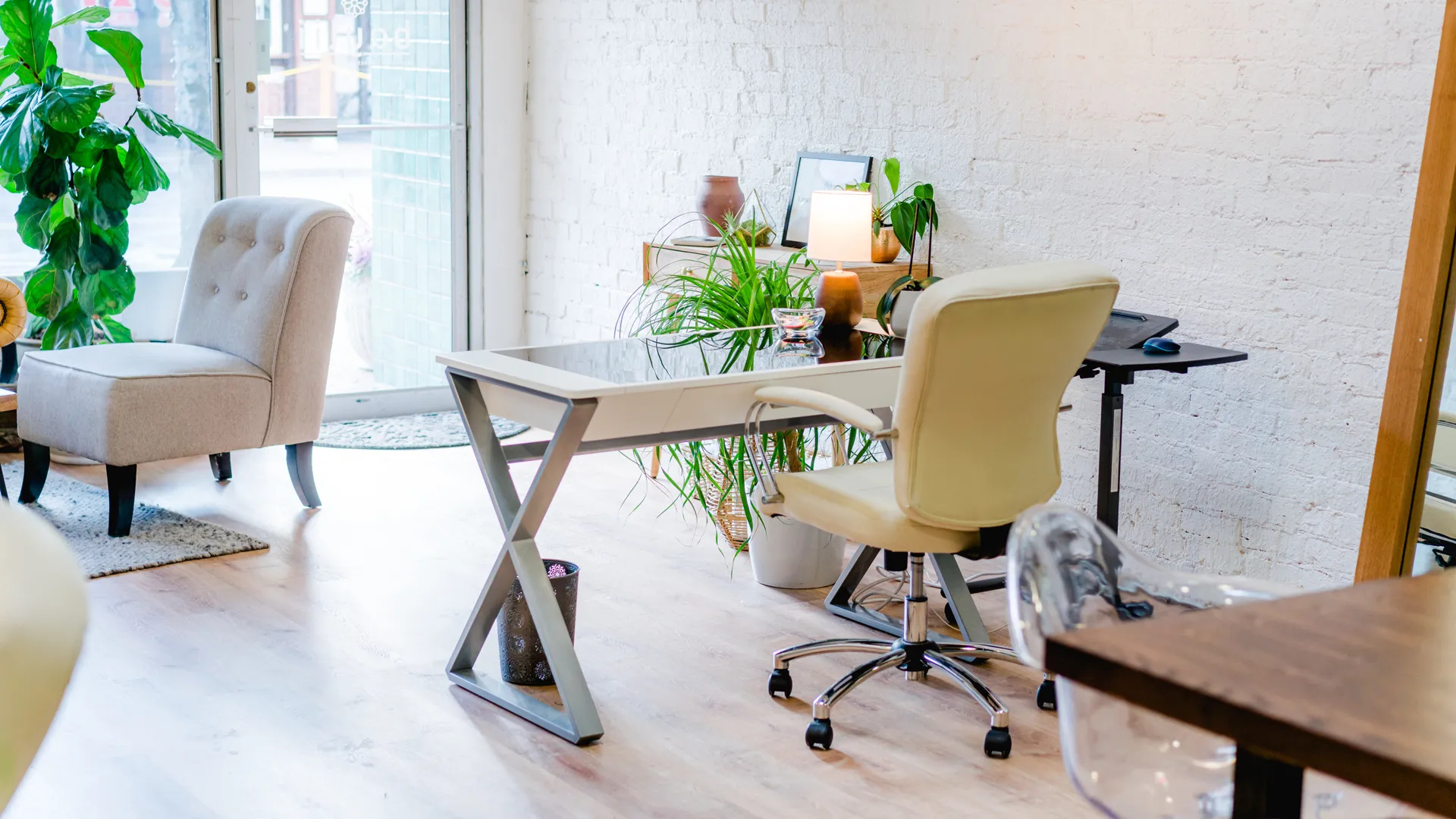
Make sure to capture images of your building exterior, outdoor signage, entryways, and interior workspace—your entire physical presence.
Why they matter:
Showing your space creates familiarity before customers ever arrive. When someone walks into your business for the first time and recognizes the reception area or the storefront from your website, they immediately feel more comfortable. That psychological ease matters—it reduces the intimidation factor of trying something new. These photos also help customers find you and confirm they're in the right place.
What we've learned:
Shoot your space multiple ways: empty (to show the design and layout), with team members (to show scale and activity), and with customers if possible (to show real-world use). Capture your exterior signage clearly—customers use these photos to confirm they're at the right location. One particularly useful shot we've learned to capture: the perspective of entering the building and being greeted with a smile, or someone holding the door open greeting you as you approach. This welcoming moment sets the tone for the entire customer experience.

6. Headshots
Individual professional portraits of employees, founders, leadership team members, and board members are useful across so many platforms. Modern headshots don't require white backgrounds or stiff poses, but they do require consistency across your team. Pick a style—natural light with outdoor backgrounds, or studio lighting with a neutral backdrop—and stick with it. Let each person's personality shine through within that consistent framework. A genuine smile or relaxed posture tells customers, "We're real people who actually enjoy what we do." That authenticity is what converts browsers into buyers.
Why they matter:
Headshots appear everywhere: staff pages, email signatures, LinkedIn profiles, speaker bios, media kits, and investor presentations. Consistency matters here—when headshots are grouped together on your website, a unified style looks dramatically more professional.
What we've learned:
For your camera-shy team members, we've found that the best headshot is often taken at their desk while they're working. People are comfortable and confident in their own workspace, and it shows in the photos. They don't even need to look at the camera—they can just focus on their work (or pretend to!).

7. Website-Specific Compositions
Here's something we've learned after designing hundreds of websites: many branding photographers shoot primarily for social media these days, which means portrait-oriented, square images. But websites need wide, short images—think aspect ratios of 16:7 or 16:5 for hero sections and banner areas.
Why this matters:
It's nearly impossible to crop a portrait-oriented photo into a wide, short format without losing your subject matter or creating an awkward composition. You need images composed specifically for this purpose.
The technical details:
When shooting for websites, keep your main subject matter to one side of the frame with a relatively unbusy background on the opposite side. This creates space for text overlay—headlines, calls-to-action, and key messages.
Watch for tricky background elements. If you have a white wall with a dark window frame, that window becomes problematic when you need to place dark text over the white area. Yes, photos can be edited in post-production, but this is time-consuming (read: costly). Better to compose it right from the start.
What we've learned:
During shot planning, literally think through your website's hero shots. What will be the main image on your homepage? Your About page? Service pages? Plan these compositions specifically and communicate them clearly to your photographer. Your web designer will thank you.

Hard-Won Wisdom: What We've Learned (the Hard Way)
After planning and attending countless photoshoots for our clients, here's the insider knowledge that will save you time, money, and frustration:
Before the shoot:
- Create a Pinterest mood board. Photographers are visual people. Show them the style, lighting, and composition you're after. This eliminates 90% of miscommunication.
- Bring brand-colored props. Coffee cups, notebooks, flowers, fabric—small items in your brand palette make the whole shoot feel cohesive.
- Wear colors that complement your brand colors. You don't need to wear your exact brand colors, but choose a palette that harmonizes with them
- Plan your website hero shots explicitly. Don't leave your most important images to chance.
- Print your shot list. Physically print your must-have shots and cross them off as you complete them. Digital lists get forgotten when you're in the flow of a shoot.
During the shoot:
- Ask your photographer to shoot tethered. This allows you to see the captured image on a laptop screen in real-time. This way, you'll know if adjustments need to be made, or if the image is perfect and you can move on.
- Shoot products with and without packaging. Seriously. Two birds, one stone.
- Work quickly with perishables. The more you handle fresh items (especially produce), the worse they photograph.
- Skip the mineral makeup. It photographs white and ghostly under professional lighting. Use traditional makeup for photoshoots. For women, lipstick with at least a little color goes a long way in photographs.
The bottom line:
Strategic branding photography is an investment that pays dividends across every marketing channel. With proper planning, one well-executed shoot can fuel 6-12 months of content for your website, social media, print materials, and advertising.
Work with an Agency that Understands the Full Picture
Most photographers shoot beautifully. Most designers design beautifully. But when you work with an agency that understands photography AND websites AND social media AND print AND packaging, your marketing becomes exponentially more effective.
We know what a website needs. We know what performs on Instagram. We know what translates to print. When we coordinate photography for our clients, every shot is planned with its end use in mind—which means you're not paying for beautiful photos that don't actually work in context.
This comprehensive approach saves you time, saves you money, and creates marketing that actually performs.
Contact us today to discuss your next branding, website, or marketing project.